The Background: Living with CMT
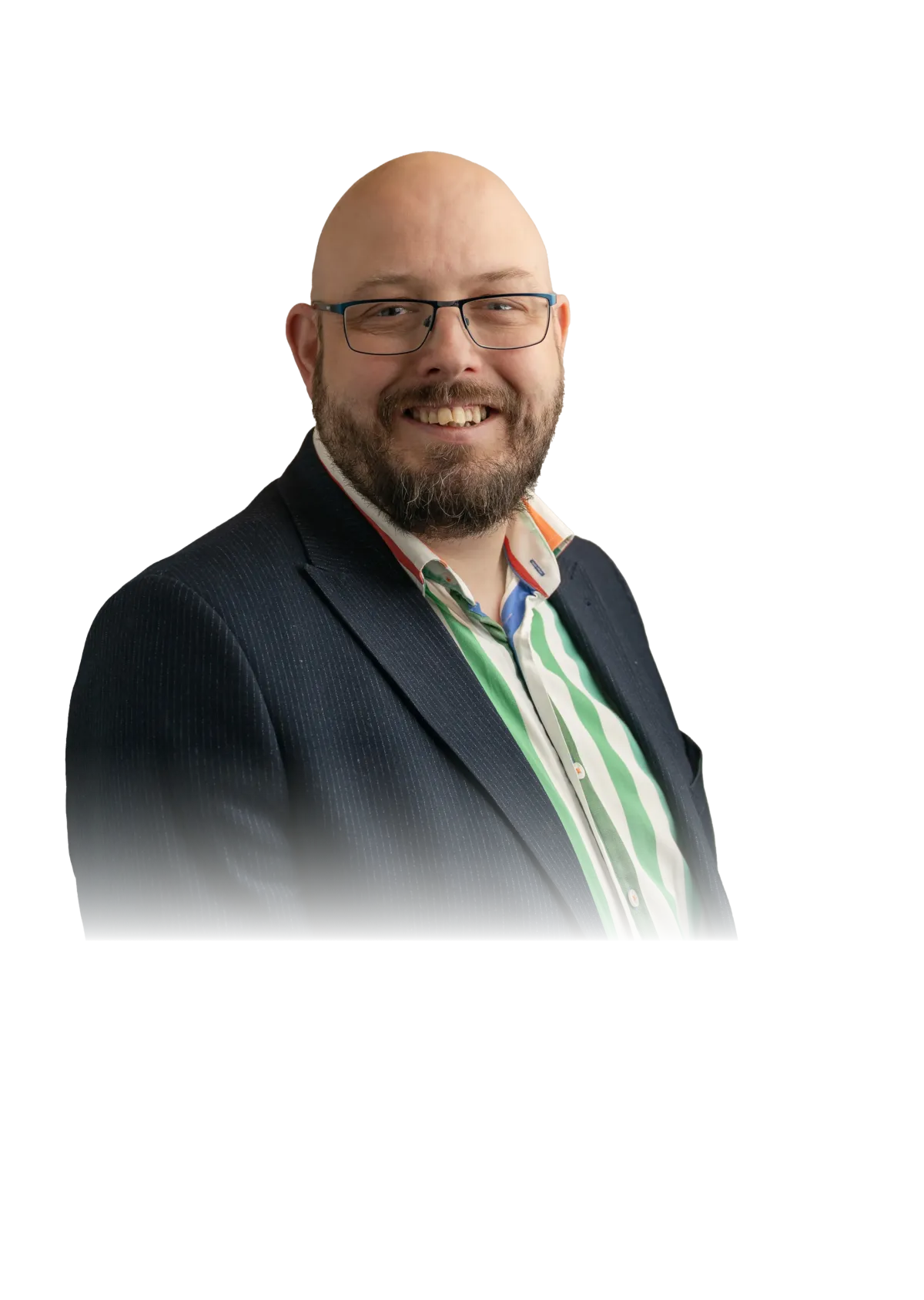
My name is Damien. Like many of you reading this, I live with Charcot-Marie-Tooth (CMT) disease, an inherited neuromuscular condition that progressively damages the peripheral nerves. For me, CMT has meant a gradual loss of sensation, profound muscle wasting in my lower legs, and the development of severe foot deformities.
Because the muscles in my feet and legs weakened at different rates, it created a massive muscular imbalance. Over the years, this imbalance pulled the bones of my feet out of alignment, leading to a severe high arch (cavovarus deformity), hammertoes, and foot drop. Eventually, custom orthotics and ankle-foot orthoses (AFOs) simply weren't enough to manage the pain, instability, and frequent falls. My mobility was drastically declining, and orthopaedic reconstruction went from being a "maybe one day" scenario to an absolute necessity.
The Complication: Pulmonary Embolism and Apixaban
Going into major surgery is daunting for anyone, but my situation had a massive complicating factor. I have a history of Pulmonary Embolism (PE)—blood clots in the lungs. Because of this, I take a daily direct oral anticoagulant (blood thinner) called Apixaban (Eliquis) to prevent recurrent and potentially fatal clots.
This created a high-stakes balancing act for my surgical team and my recovery plan. Orthopaedic foot reconstruction involves cutting through bone and highly vascular tissue, carrying a high risk of bleeding. I had to carefully bridge my Apixaban (stopping it 48-72 hours pre-op and restarting it carefully once haemostasis was secure). It also meant I had to throw out the standard "surgery recovery" supplement playbook. Common anti-inflammatory supplements like high-dose Omega-3 fish oils, Curcumin (turmeric), and Bromelain were absolutely off the table for me, as they dangerously increase bleeding risks when combined with blood thinners.
The Operation: Rebuilding the Architecture
My surgery took place on the 5th of March, and it was not a simple fix. It was a major, multi-structural orthopaedic reconstruction. To give you an idea of what my body went through, the procedure involved:
Osteotomies
The surgeon literally had to break and re-cut the bones of my heel and midfoot to flatten out the severe arch and realign my foot's foundation.
Tendon Lengthenings
Tightened tendons (like the Achilles) that were pulling my foot into an unnatural position were surgically lengthened.
Tendon Transfers
Because CMT had paralysed certain muscles responsible for lifting my foot, the surgeon detached working tendons from other areas and re-routed them to do the job of the dead muscles.
Hardware
A collection of screws, plates, and staples were installed to hold this new architecture together while the bones fused.
The Recovery Strategy: Fighting the Hypermetabolic State
I am 5ft 10in, and at the time of surgery, I weighed 103kg. I quickly learned that when you undergo controlled surgical trauma like I did, the body enters a hypermetabolic state. My body was burning significantly more calories just lying in bed, working overtime to clear out damaged tissue, synthesize new bone, and rebuild collagen.
For a CMT patient, this is a crisis. We already suffer from innate muscle atrophy. If I didn't feed my body the massive amounts of protein and energy it needed to heal the surgical site, it would cannibalize my existing, healthy skeletal muscle to harvest amino acids. Losing muscle mass during weeks of bed rest is a devastating outcome that can permanently impair a CMT patient's mobility.
Because I couldn't rely on standard anti-inflammatories due to my blood thinners, I had to build a highly specific, clinically safe recovery toolkit:
- High Protein & HMBI relied heavily on Whey Protein Isolate to hit roughly 2.0g of protein per kg of my target lean body weight, alongside Beta-hydroxy-beta-methylbutyrate (HMB) to halt muscle breakdown while I was immobilised (Clinical Reference).
- Collagen & Vitamin CTo repair the severed and transferred tendons.
- Bone Union SupportVitamin D3 and K2 to ensure the calcium I was consuming was directed into the newly cut bones rather than calcifying my arteries.
- CMT-Safe B-VitaminsI had to be incredibly careful with B-complexes. While B-vitamins are vital for nerve health, high-dose Vitamin B6 (Pyridoxine) is highly neurotoxic and can worsen CMT peripheral neuropathy (NIH Study). I only used NSF-certified products with safe, low doses.
- Magnesium GlycinateUsed to manage nerve spasms and promote sleep, rather than relying on heavy painkillers for longer than necessary.
My Specific Daily Consumption Schedule
To ensure my body was constantly fuelled for repair and to maximise the absorption of each supplement, I broke my daily routine down into a strict schedule:
Morning (With Breakfast)
- Vitamin D3 + K2 & Zinc Picolinate: Taken with my first meal (which included some healthy fats) to optimise absorption for bone union and wound healing.
- Vitamin B12: Taken in the morning to support daytime cellular energy production and nerve health without keeping me awake at night.
Mid-Morning (30–60 Minutes Pre-Physio)
- 15–20g Hydrolysed Collagen Peptides + Vitamin C: The timing here is critical. Taking collagen alongside Vitamin C shortly before loading the joint (doing my bed exercises or physiotherapy) drives the amino acids directly into the healing tendons.
Throughout the Day (Protein Pacing)
- Whey Protein Isolate: Rather than eating one massive protein meal, I implemented "protein pacing." I consumed 20g portions of whey isolate every 3 to 4 hours. This constant drip-feed of amino acids is proven to stimulate muscle protein synthesis and combat atrophy while bedbound.
Evening (30 Minutes Before Bed)
- Magnesium Glycinate: Taken right before sleep. The highly bioavailable glycinate form helped immensely with relaxing my muscles, reducing the frustrating nerve spasms common with CMT, and allowing me to sleep through the discomfort of surgical recovery.
Looking Forward: The Long-Term Plan
My surgical recovery isn't just about getting back on my feet; it's about altering my long-term health trajectory.
Because of my VTE/PE history, my ultimate post-recovery goal is to safely reduce my body weight to around 85–90kg over the next 12 to 18 months. Dropping that excess weight is the single most powerful lever I have to reduce my risk of future blood clots, take the mechanical stress off my newly reconstructed foot, and preserve my mobility against the progression of Charcot-Marie-Tooth disease.
"I built this platform because navigating the intersection of CMT, major orthopaedic surgery, and anticoagulant therapy was incredibly difficult, and I want to share the nutritional and planning blueprints that helped me through it."